Understanding the Abuse of Braille Spaces in Zero-Day Attacks: Windows Vulnerability Exploited
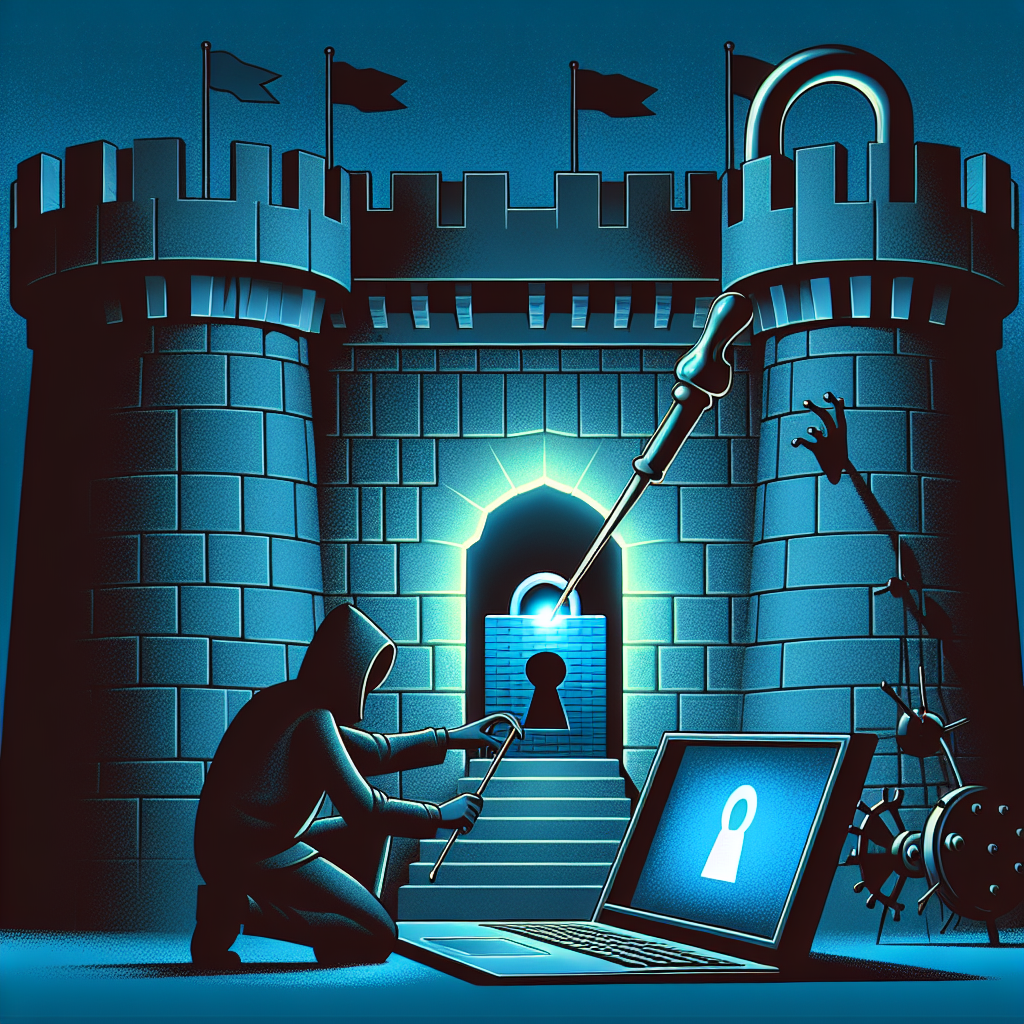
Title: Exploitation of Windows Flaw by Void Banshee Hacking Group: A Deep Dive into the MSHTML Spoofing Vulnerability
Introductory Summary: In a ground-breaking revelation, the identifiably named “Windows MSHTML spoofing vulnerability”, assigned the specific moniker CVE-2024-43461, has now graduated from being recently rectified to being pegged as previously exploited. This occurred following a series of sophisticated exploits unleashed by the notorious Void Banshee Advanced Persistent Threat (APT) hacking contingent.
Article Body: The carefully observed and recorded Windows security vulnerability, colloquially named the ‘MSHTML spoofing vulnerability’ by the cybersecurity community, is synonymous with the alphanumeric code, CVE-2024-43461, under which it has been catalogued. The said flaw, now firmly earmarked in the annals of cybersecurity history, has emerged from its nascent phases into a state of infamy, thanks to its clever manipulation by the infamous Void Banshee APT hacking faction.
In an innovative twist that left cybersecurity experts both stumped and intrigued, this malicious hacking conglomerate found a way to exploit this loophole. The mode of operation involved leveraging an unusual facet of computing code that is rarely utilised for nefarious purposes – the ‘braille spaces’.
Cybersecurity analysts were astounded by this clever manoeuvre that deftly showed off the hacking group’s well-versed understanding of Windows architecture. It’s crucial that cybersecurity professionals emplace necessary measures to prevent a security breach of this nature, and continually monitor for any unfamiliar activity that might suggest an advanced persistent threat (APT) in progress.
The Windows MSHTML spoofing vulnerability has now been patched, but this incident underlines how swiftly black hat hackers can capitalise on emerging security flaws. It serves as a stark warning within the online security landscape, reminding us to always prioritise digital hygiene.
A timely upgrade of the operating system is paramount for combating any potential malevolent intrusion by such APT hacking groups. It is our shared responsibility as users to keep our systems updated and to employ robust cybersecurity practices to safeguard both individual and corporate digital assets.
Related Reading Suggestions:
To enhance your understanding of the issues touched upon in this article, we recommend further reading on the following topics:
1. ‘Understanding Advanced Persistent Threats (APTs)’
2. ‘How Hackers Exploit Common Vulnerabilities’
3. ‘Protecting your Digital Assets Against Advanced Persistent Threats’
4. ‘The Lifecycles of Cybersecurity Threats’
5. ‘How Robust Cybersecurity Practices Can Negate APT-based Attacks’
6. ‘Spotting the Early Red Flags of an APT Attack’
7. ‘The Role of Digital Hygiene in Averting Cyber Threats’
By expanding your knowledge in these areas, you can gain a comprehensive understanding of the intricacies in the rapidly evolving field of cybersecurity and be better equipped to protect against such threats.


