3. Cybersecurity Terminology for Beginners
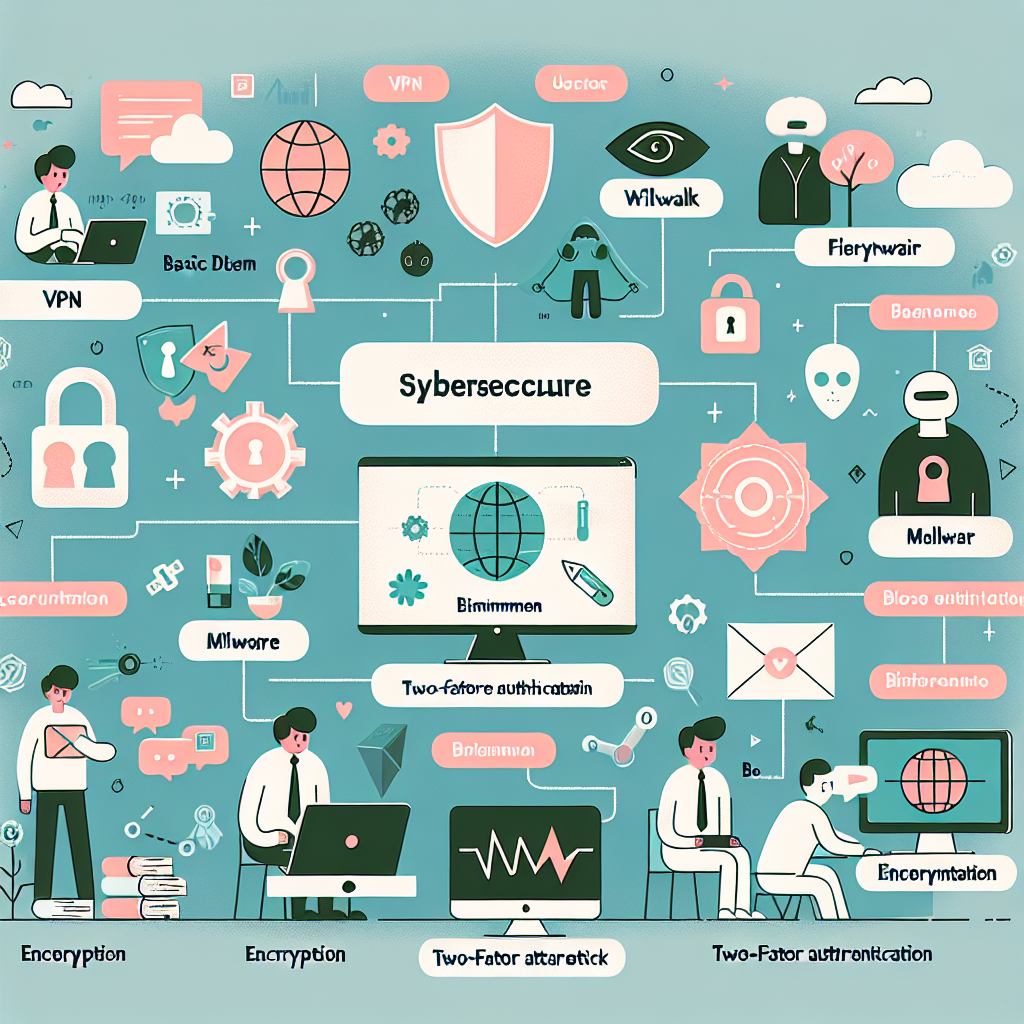
Understanding the foundational terminology of cybersecurity is essential for professionals entering this field. Cybersecurity vocabularies serve as the cornerstone for clear communication and are pivotal for the effective implementation and management of security practices within any organisation. This lesson will guide beginners through fundamental cybersecurity terms necessary for a professional setting, providing definitions, real-world applications, and best practices.
Key Cybersecurity Terms Every Professional Should Know
1. Malware
Short for ‘malicious software’, malware refers to any software intentionally designed to cause damage to a computer, server, client, or computer network. Examples include viruses, worms, Trojan horses, ransomware, and spyware. Malicious actors use malware to extract data, disrupt operations, or gain unauthorised access to networked systems.
Real-World Application: Ensure your systems are protected against malware by using comprehensive anti-malware software and keeping all your systems up to date. Regularly update your anti-malware software to combat new forms of malware.
2. Phishing
Phishing is a type of social engineering attack often used to steal user data, including login credentials and credit card numbers. It occurs when an attacker, masquerading as a trusted entity, dupes a victim into opening an email, instant message, or text message. The recipient is then tricked into clicking a malicious link, which can lead to the installation of malware, system infiltration, or the revealing of sensitive information.
Real-World Application: Educate your employees about the dangers of phishing. Encourage them to scrutinise emails, particularly those that request personal information or immediate and urgent actions.
3. Ransomware
Ransomware is a type of malicious software designed to block access to a computer system until a sum of money is paid. Over the past several years, ransomware attacks have seen a dramatic increase, affecting large enterprises, and city governments, causing critical data and service disruptions.
Real-World Application: To prevent ransomware attacks, ensure regular backups of important data and store them separately from your main network. Incorporate robust firewall protections and an email screening system as part of your cybersecurity defences.
4. Endpoint Security
Endpoint security refers to the methodology of securely connecting devices such as desktops, laptops, smartphones, and tablets to corporate networks. Devices on a network pose security risks and must be managed with the right security policies, software tools, and oversight strategies.
Real-World Application: Utilise a multi-layered security strategy that includes next-generation antivirus, anti-malware, encryption, and personal firewalls. Regularly monitor and update endpoint devices to prevent potential breaches.
5. Intrusion Detection System (IDS) and Intrusion Prevention System (IPS)
An IDS is a device or software application that monitors a network or systems for malicious activity or policy violations. An IPS, on the other hand, actively prevents the detected threats. These tools are essential in providing a reactive and proactive security stance.
Real-World Application: Deploy IDS to monitor network traffic for unusual behavior and IPS to block potentially harmful traffic. These systems are critical for maintaining network integrity and resilience against attacks.
6. Encryption
Encryption is the process of encoding information in such a way that only authorized parties can access it. By converting data into a coded form, sensitive information is safeguarded from unauthorized access.
Real-World Application: Use strong encryption protocols for data at rest and in transit. This ensures that even if data is intercepted, it remains unreadable to anyone who does not have the decryption key.
Best Practices: Implementing the above terms and technologies must be complemented with regular training and updates. Conducting security audits and drills can help in evaluating the effectiveness of your cybersecurity stance and making necessary adjustments.
For additional reading on cybersecurity best practices and updates, professionals might consider visiting websites such as the Information Commissioner’s Office (ICO), https://ico.org.uk/ , the National Cyber Security Centre (NCSC), https://www.ncsc.gov.uk/ NCSC), and industry resources like CSO Online or Cybersecurity & Infrastructure Security Agency (CISA). https://www.cisa.gov/ CISA). These resources provide invaluable insights and up-to-date information reflecting emerging trends and threats in cybersecurity.
Understanding these essential terms provides a solid foundation for any professional stepping into the cybersecurity field. It is important to consistently engage with the broader cybersecurity community and resources to stay informed and prepared against potential cyber threats.


