Rising Threat of Infostealers: Surge in Ransomware Attacks with Only One-Third Data Recovery Success Rate
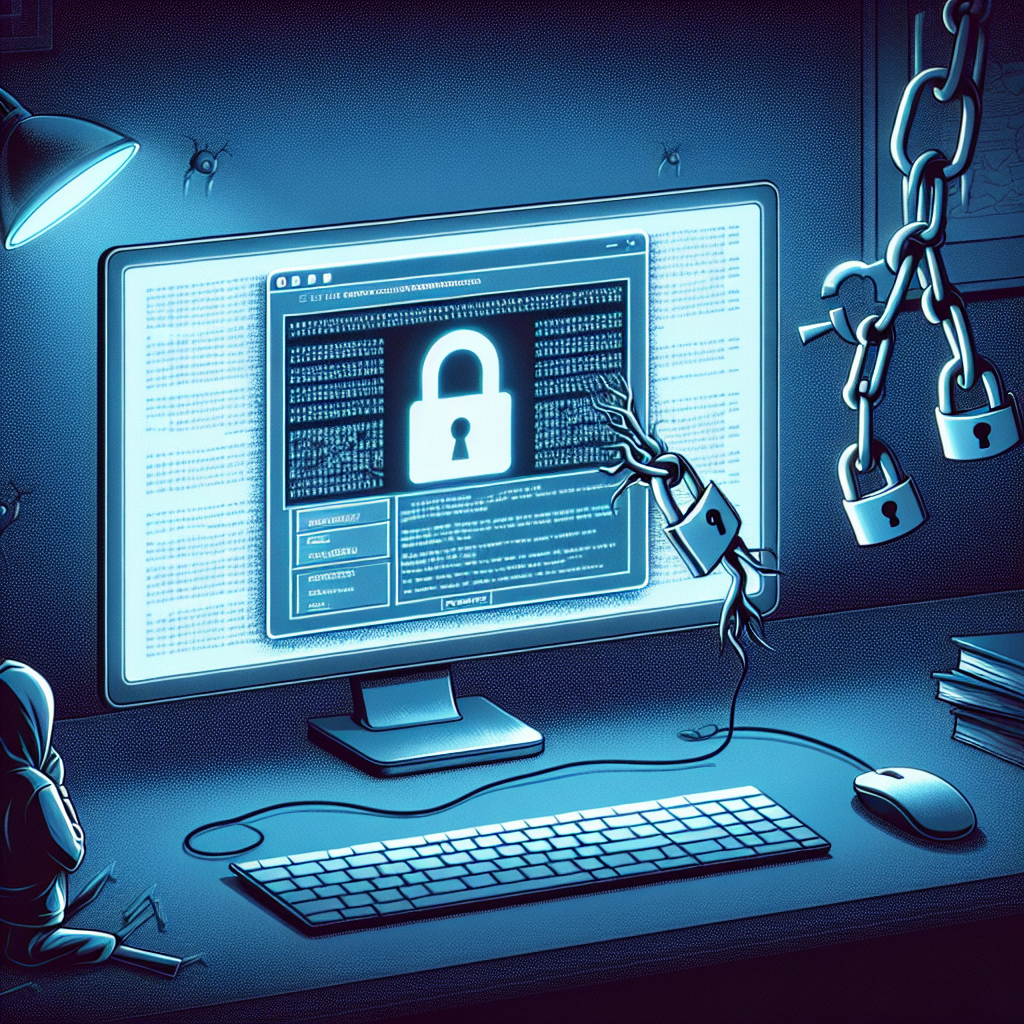
Infostealers Cause Surge in Ransomware Attacks, Just One in Three Recover Data
Summary
Ransomware attacks are skyrocketing, with researchers identifying an alarming trend linking these attacks to infostealer malware and digital identity exposure.
Surprisingly, in spite of efforts to recover data, only one in three victims succeeds, a worrying statistic bearing grave concerns.
The Rise of Ransomware
In recent years, ransomware attacks have exploded in frequency and sophistication across the globe.
Cybersecurity firm Kaspersky noted in its 2020 report a 40% increase in such attacks compared to the previous year.
Key targets include not just large corporations, but small businesses, healthcare institutions, and even individual users, showcasing an increasingly brazen modus operandi.
Infostealers: A Major Player
The surge in ransomware attacks isn’t random; it correlates significantly with the prevalent use of infostealer malware by cybercriminals.
Infostealers are malicious programs designed to gather sensitive and confidential information from victims.
This data often includes login credentials, financial information, and digital identities, which then become bargaining chips in ransom negotiations.
A case in point is the infamous Trickbot infostealer, which, according to CyberScoop’s 2021 report, despite efforts to dismantle it, continues to pose a threat worldwide.
The Hard Reality of Data Recovery
Even with substantial investments into cybersecurity defenses, the reality is bleak for victims of ransomware attacks.
Research indicates that only one in three are able to fully recover their data, shedding light on the effectiveness of these attacks.
Incidences such as the attack on Colonial Pipeline in 2021, where hackers seized 100 GB of data, further illustrates the hard reality of successful recovery.
Stepping Up Cybersecurity Measures
In response to the surge, more robust cybersecurity measures are imperative.
These include practicing strong cyber hygiene, implementing multi-factor authentication, continual staff training, and frequent and reliable data back-ups.
Additionally, employing threat hunting solutions and reacting swiftly and decisively to potential threats can curtail the impact of these attacks.
Conclusion
Infostealers contribute significantly to the rise of ransomware attacks, turning stolen data into lucrative payouts for cybercriminals.
The grim realities of data recovery reinforce the need for increased vigilance and robust cybersecurity practices to protect digital assets.


